UK bottle capping machinery, cap feeding and line integration01494 623015 sales@lancinguk.com

Machine range

Bottle capping machine range.

Compare automatic bottle cappers, semi-automatic capping machines, ROPP cappers, screw cappers, pump and trigger cappers, press cappers and cap feeding equipment.

Choose by closure

Match the capping machine to the cap first.

The same bottle line may need very different machinery depending on whether the closure is threaded, aluminium ROPP, pump, trigger, push-on or awkward to orientate.

Closure type to bottle capping machine guide
Closure / cap typeTypical machine routeSpecification checks
Threaded plastic screw capScrew capper, chuck capper, belt or spindle capperTorque repeatability, cap height, bottle grip, thread start, changeover time
Aluminium ROPP closureSemi-automatic, automatic or multi-head ROPP capperBottle neck finish, skirt length, tamper band, glass stability, roller tooling
Pump or lotion pumpPump bottle capping machine with tube controlDip-tube length, orientation, cap presentation, bottle stability, tightening torque
Trigger sprayerTrigger sprayer bottle capping machineHead orientation, tube handling, product sector, container neck and bottle shape
Push-on or snap capPress capping machine with cap feederVertical force, closure fit, bottle support, cap nesting and feeder orientation

Machine catalogue

Bottle cappers and cap feeding equipment.

Each product card outlines the closure type, likely application and the practical checks that affect machine selection.

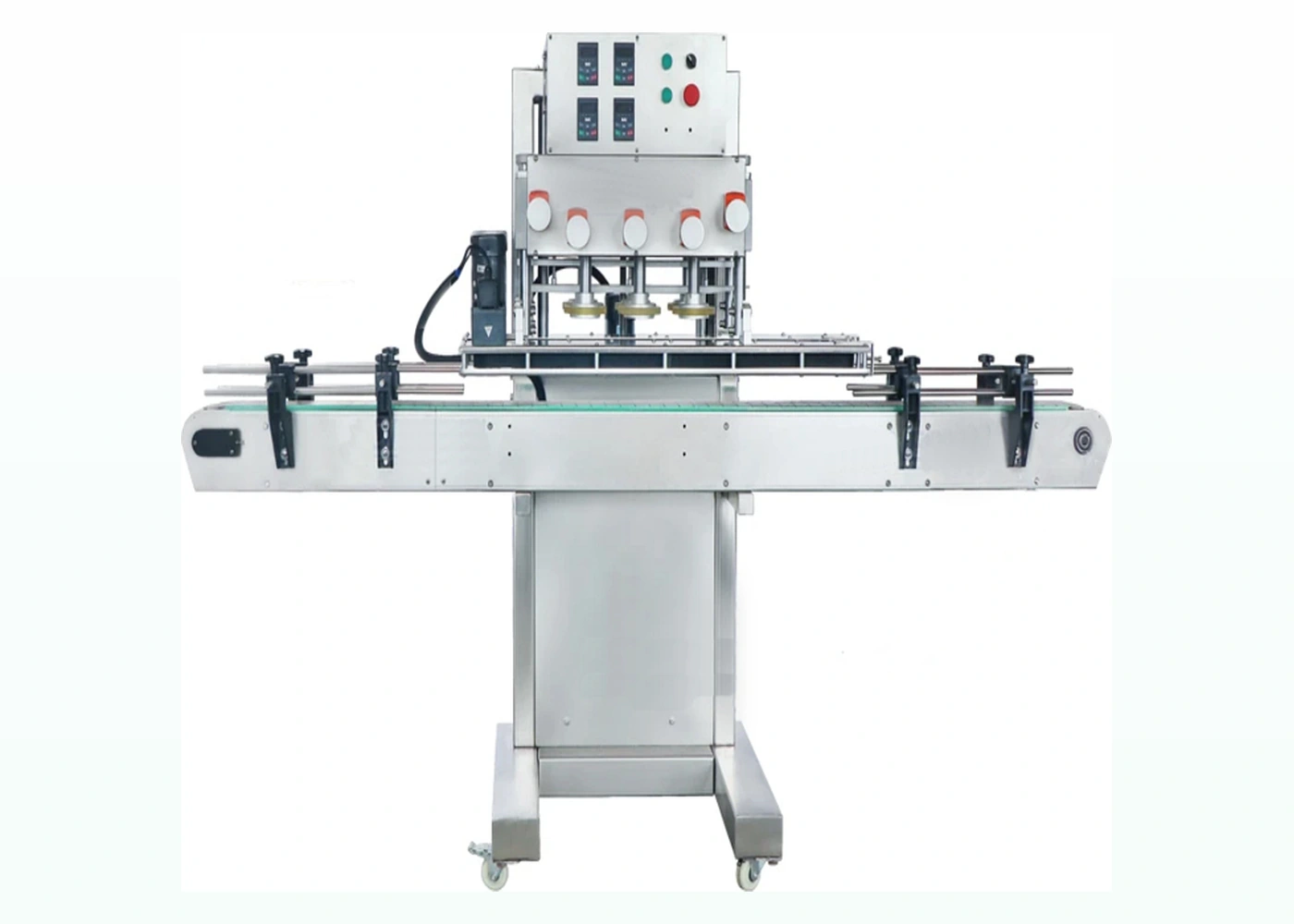
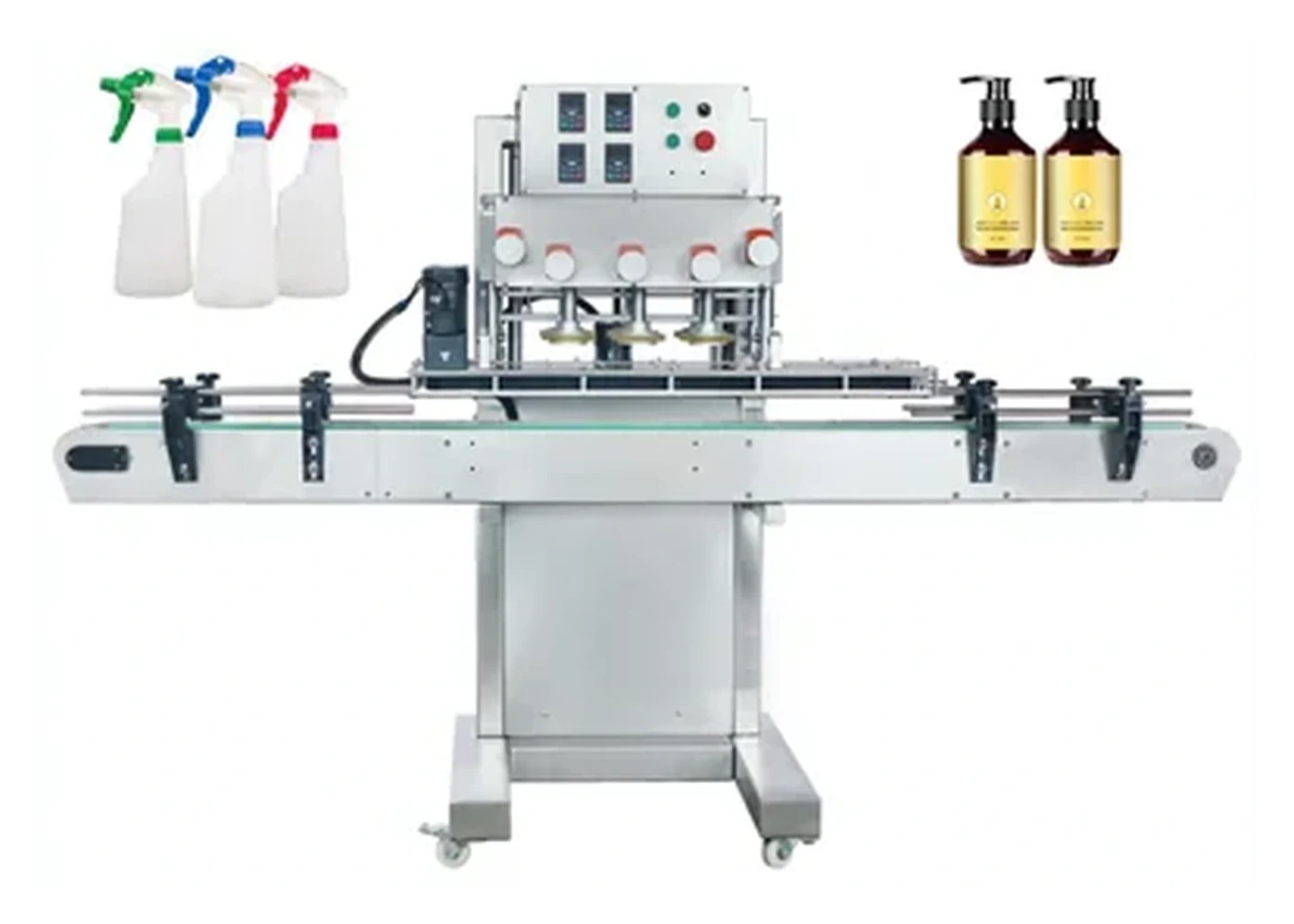
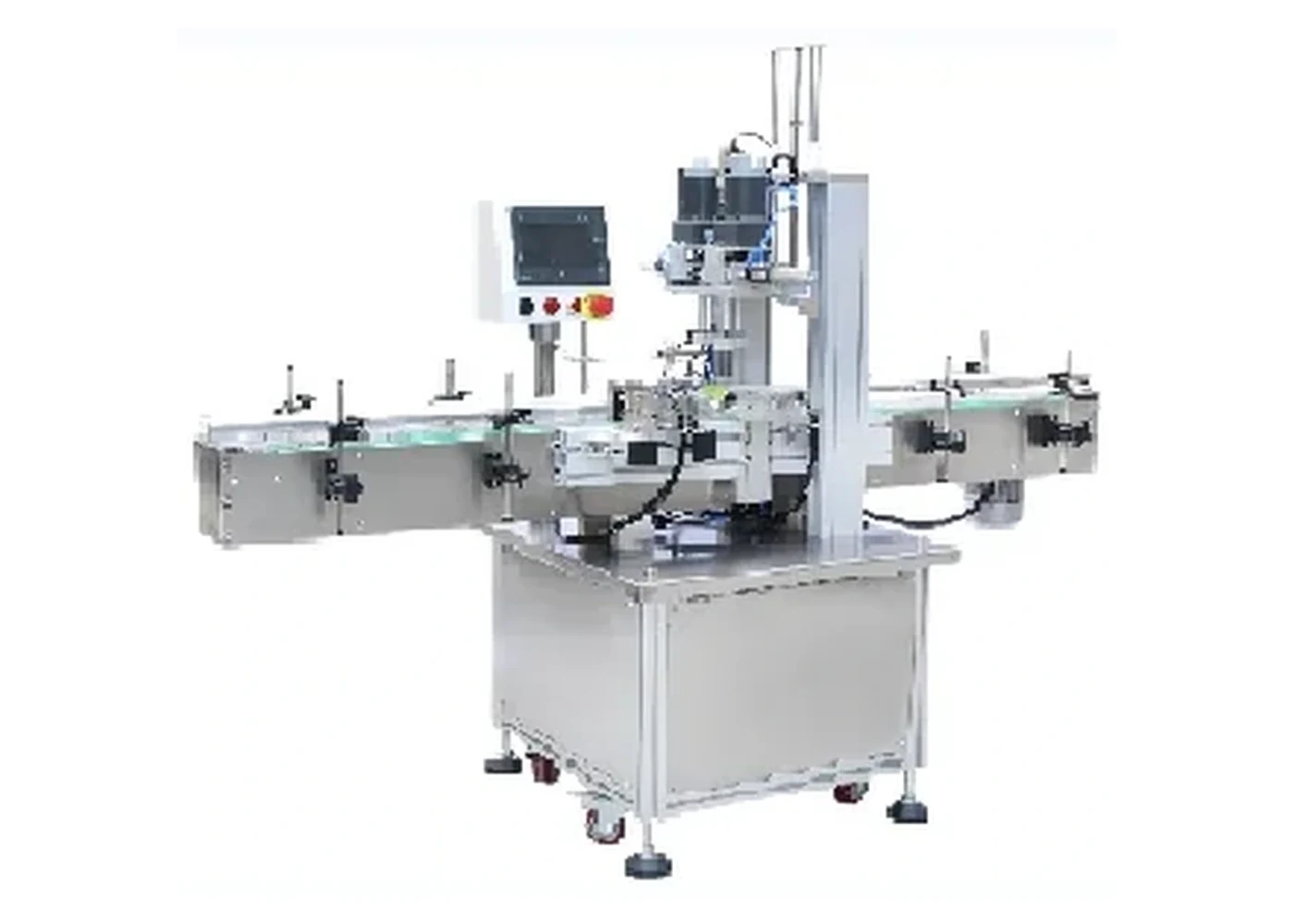
Automatic belt spindle screw capping machine for plastic bottles

Screw cappers

Automatic belt / spindle screw capping machine

Inline bottle capper for threaded closures where repeatable torque, bottle control and continuous output are important.

Best for
Round bottles, threaded screw caps, higher-volume production.
More about this machine family
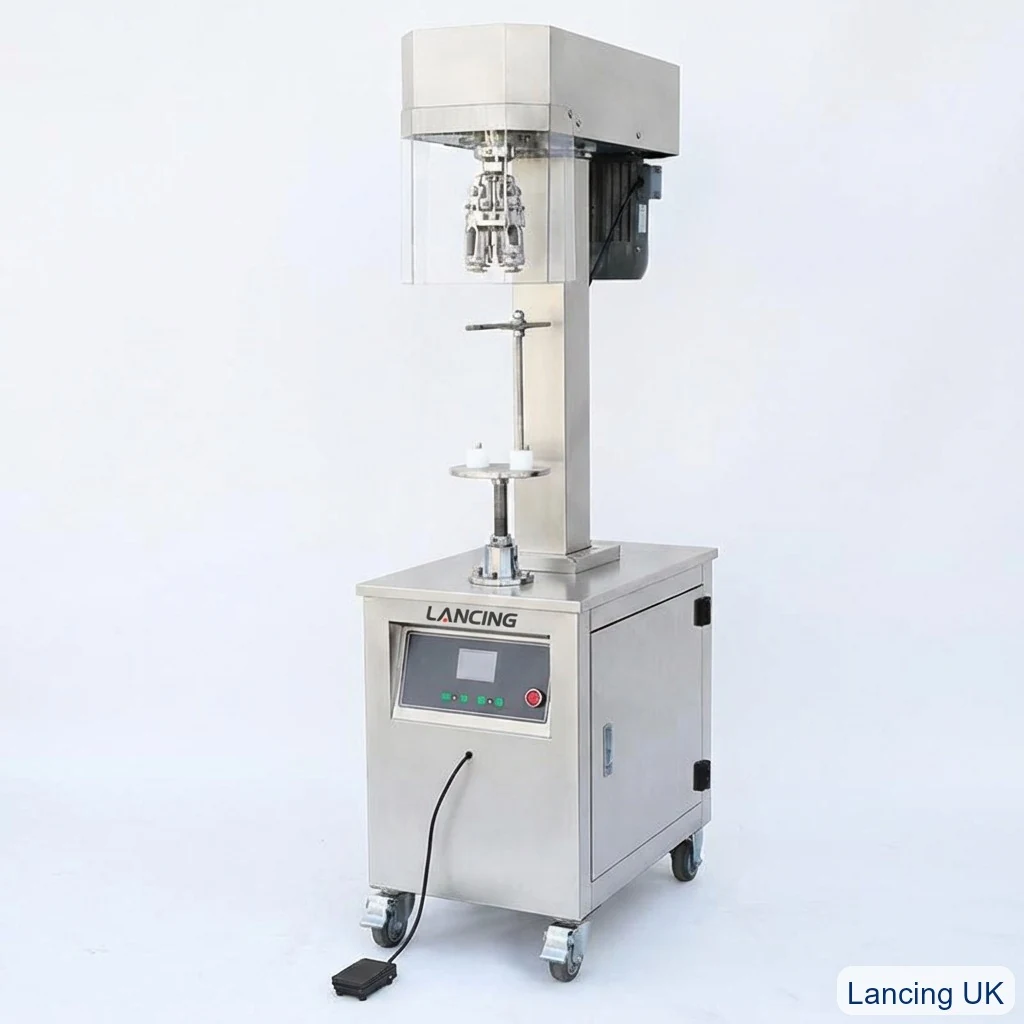
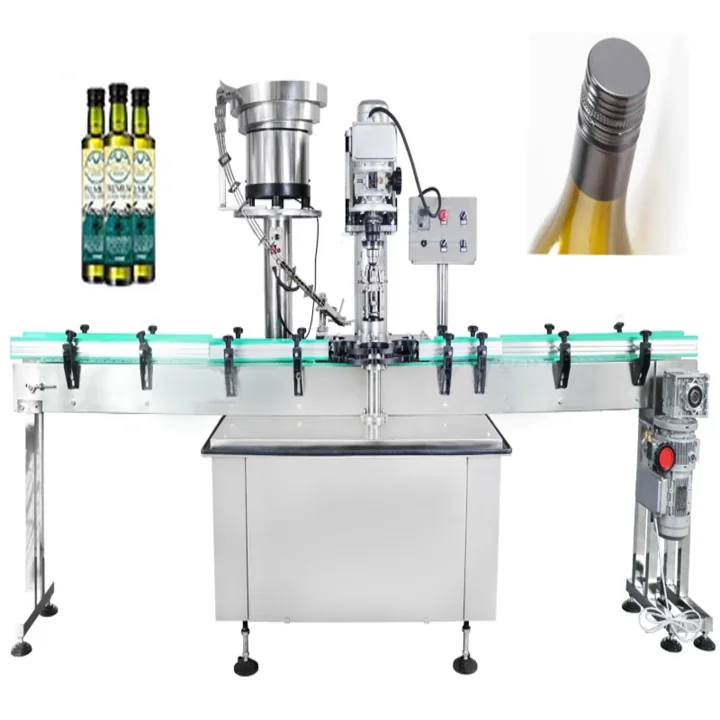
Semi automatic ROPP cap sealing machine for glass bottles

ROPP cappers

Semi-automatic ROPP capper

Operator-fed roll-on pilfer-proof capping for aluminium closures on glass bottles and short production batches.

Best for
Wine, spirits, oils, premium glass bottles, batch production.
More about this machine family
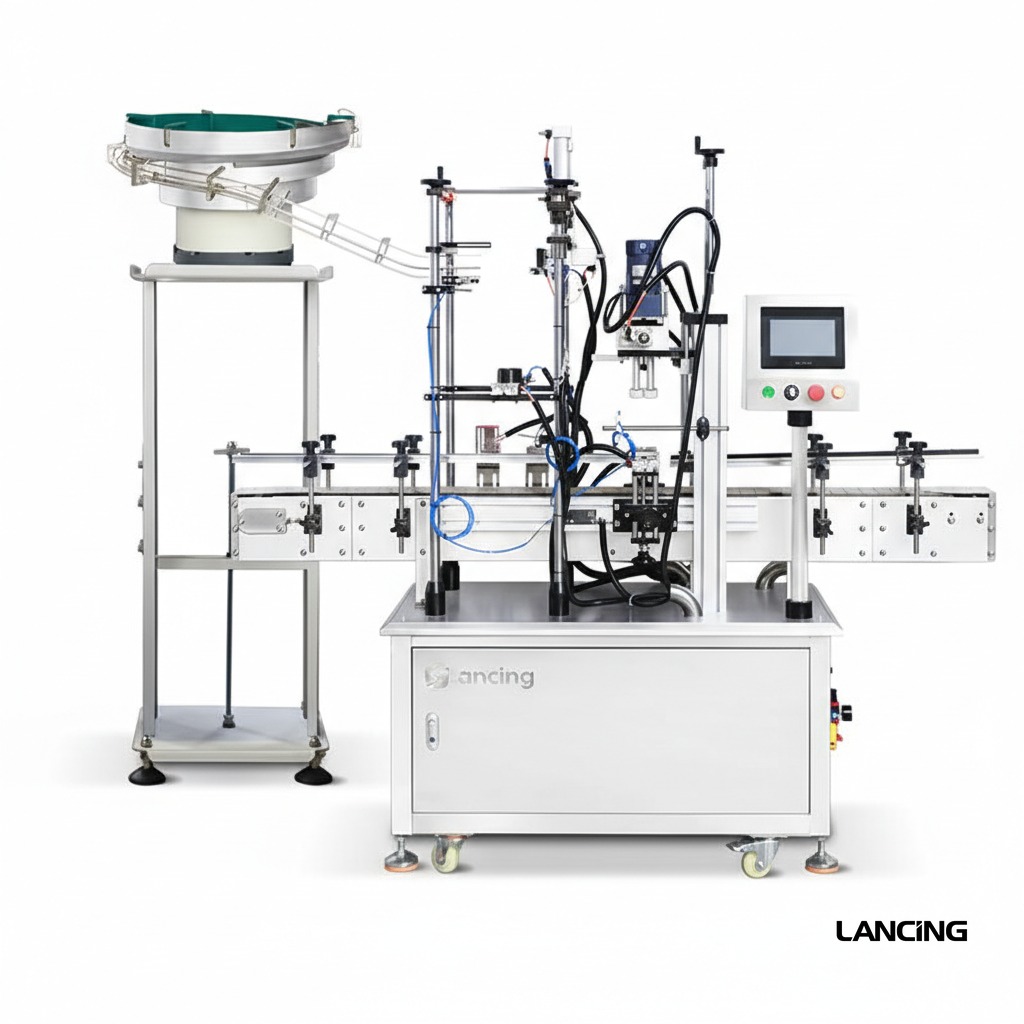
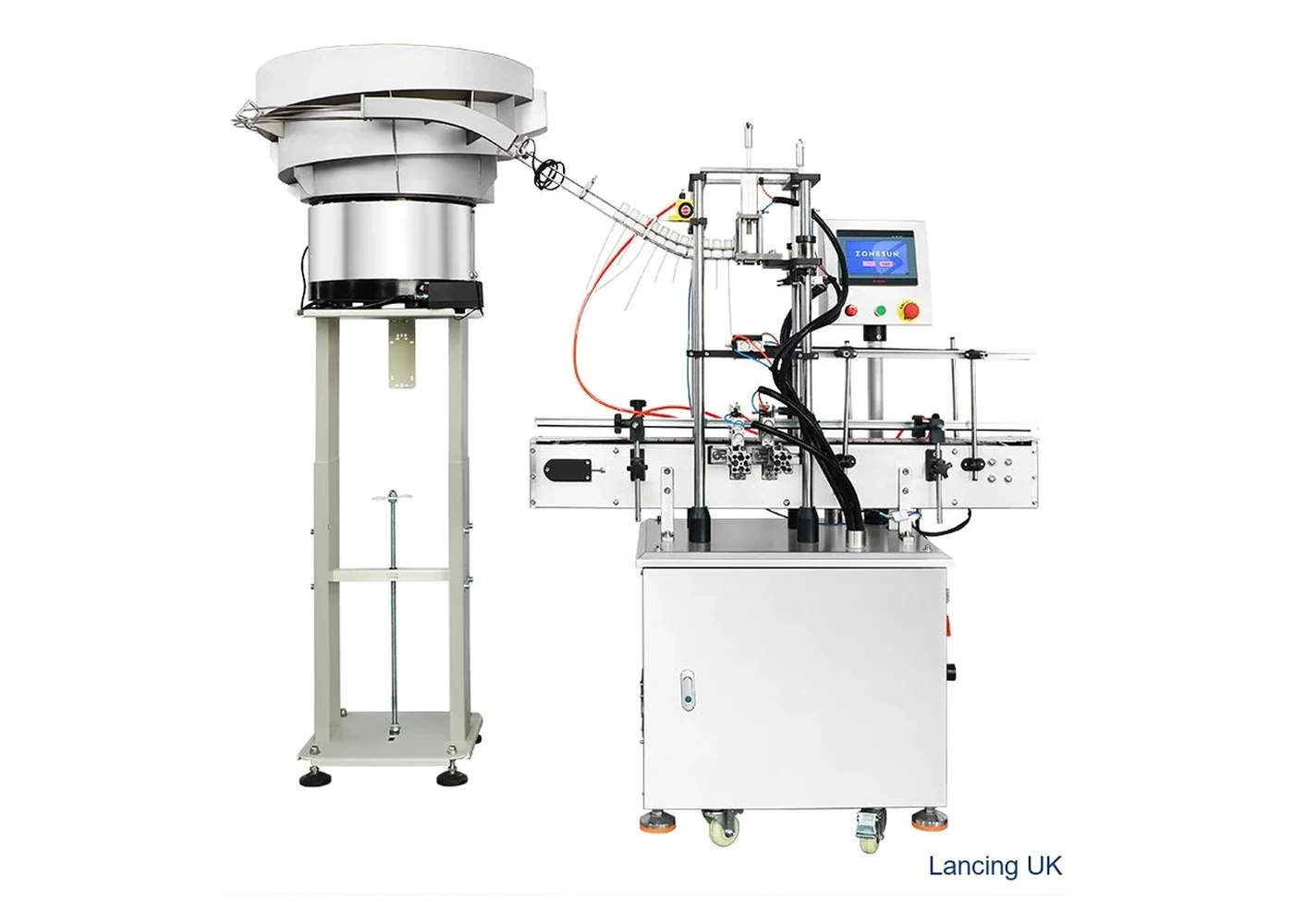
Automatic pump bottle capping machine with vibrating bowl feeder

Pump cappers

Automatic pump bottle capping machine with vibrating bowl

Cap placement and tightening for pump closures where dip-tube handling, orientation and bottle stability matter.

Best for
Cosmetics, personal care, healthcare, soaps and sanitiser bottles.
More about this machine family
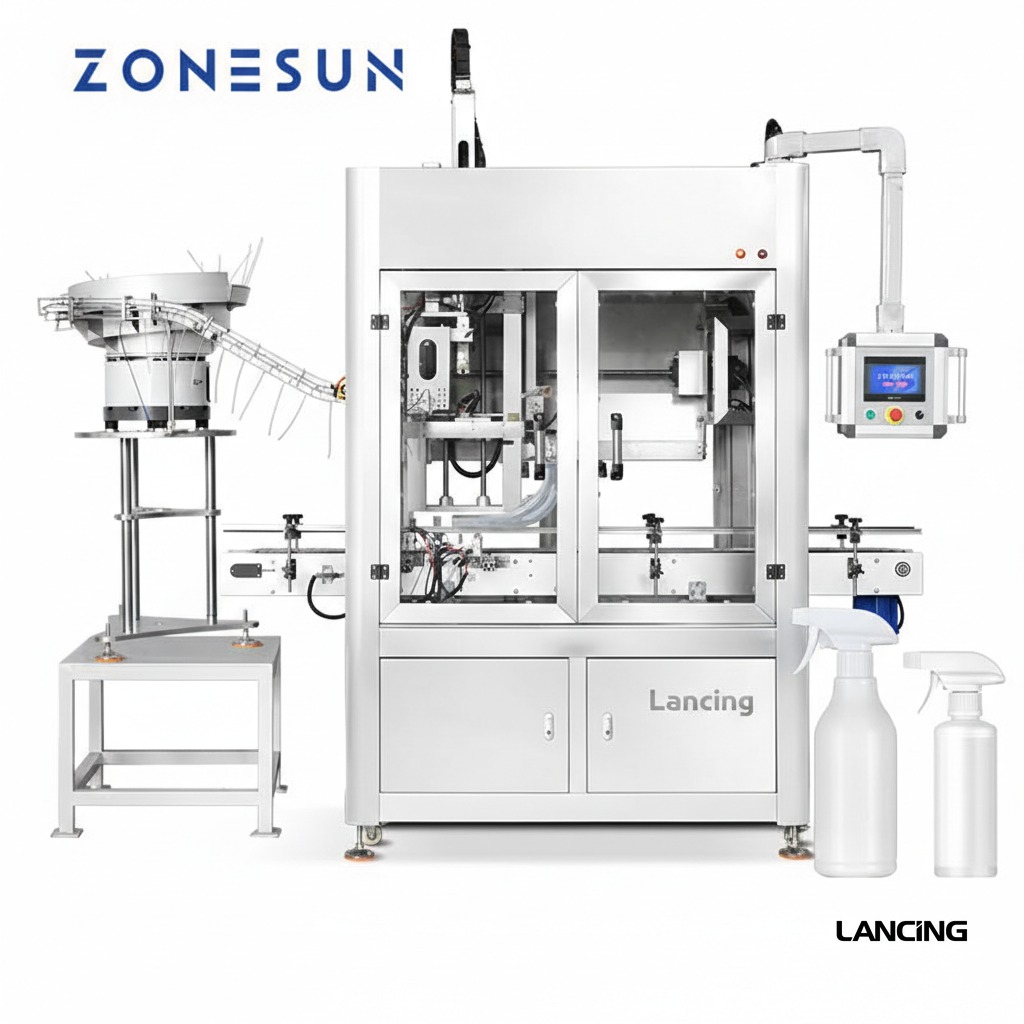
Trigger sprayer bottle capping machine for household and chemical bottles

Trigger cappers

Trigger sprayer pump bottle capping machine

Bottle capper for trigger sprayers and pump heads where cap geometry, tube control and threading need careful handling.

Best for
Household products, chemicals, sprays, cleaning products and car care.
More about this machine family
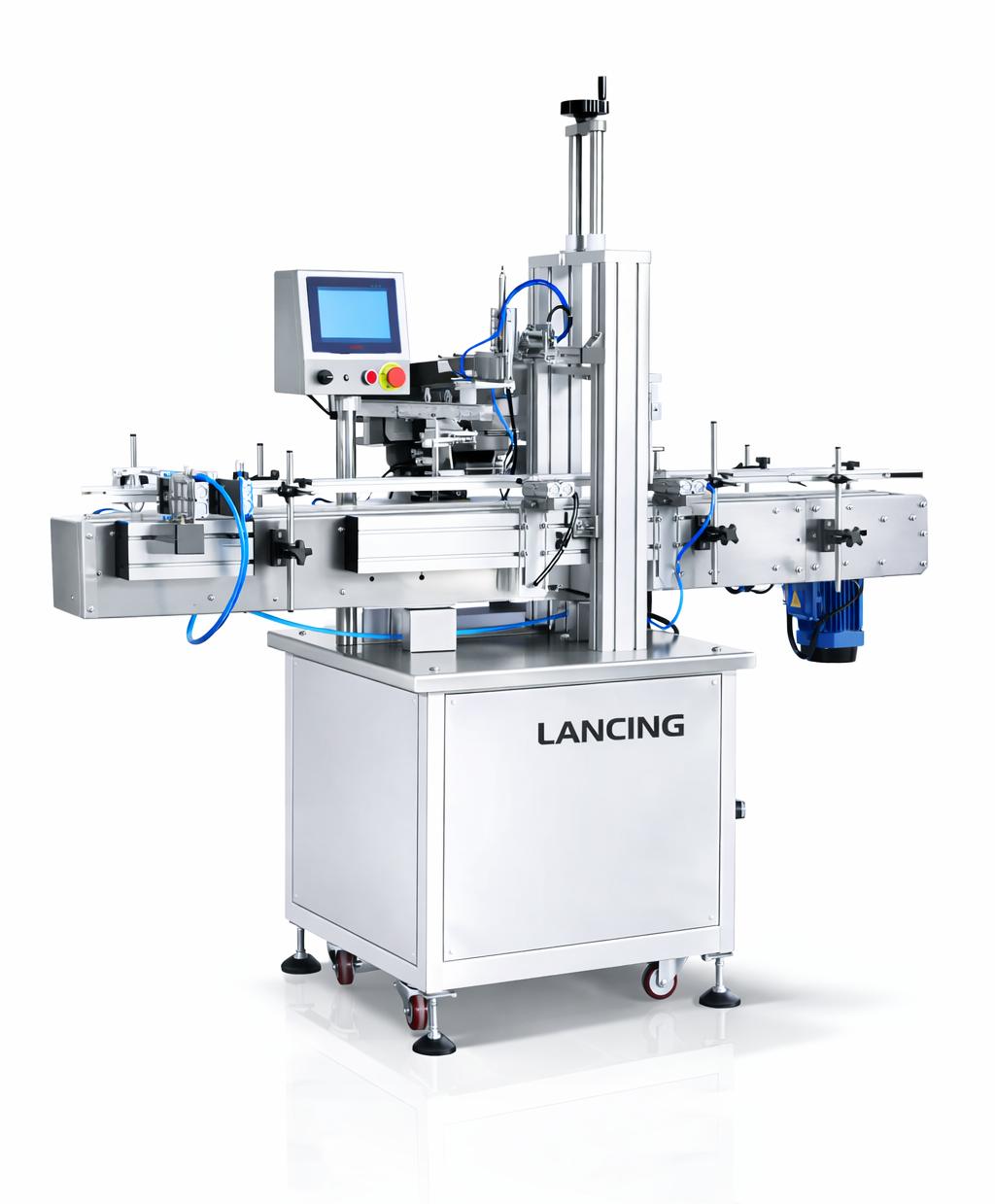
Inline automatic screw capping machine for spray bottles pumps and screw caps

Screw cappers

Inline automatic screw capper for sprays, pumps and screw caps

Flexible automatic capping route for standard screw caps, pump closures and spray bottle formats.

Best for
Mixed closure families, guided inline bottle handling, frequent changeovers.
More about this machine family
Automatic ROPP capping machine with conveyor and cap sorter

ROPP cappers

Automatic ROPP capping machine

Automatic aluminium cap rolling for production lines requiring pilfer-proof sealing and conveyor integration.

Best for
Beverage, oils, spirits, premium bottle lines and tamper-evident closures.
More about this machine family
Multi head ROPP capping machine for higher output aluminium closures

ROPP cappers

Multi-head ROPP capping machine

Multi-head ROPP solution for higher line speeds and consistent aluminium closure forming.

Best for
High-output ROPP lines, repeat bottle formats, continuous operation.
More about this machine family
Automatic bottle cap pressing machine with cap feeder for push on caps

Press cappers

Automatic bottle cap pressing machine with cap feeder

Press-on and snap-cap machinery for closures that need vertical application rather than screw torque.

Best for
Push-on caps, snap caps, stoppers, closures requiring controlled downward force.
More about this machine family
Compact inline screw capping machine for smaller production rooms

Screw cappers

Compact inline screw capping machine

Space-saving capper for pilot rooms, laboratories and compact packaging areas that need reliable torque control.

Best for
Limited floor space, low-to-medium output, technical products.
More about this machine family
Bowl feed automatic screw capping machine with cap feeding

Cap feeding

Bowl-feed automatic screw capper

Automated cap presentation and tightening for threaded caps where manual cap placement would restrict throughput.

Best for
Repeat cap sizes, continuous cap feeding, operator-light production.
More about this machine family
Bottle filling capping and labelling line integration

Bottle machinery

Bottle filling and capping line integration

Integrated bottle machinery layouts covering filling, capping, cap handling, labelling, coding and conveyors.

Best for
Complete packaging projects, production upgrades and new automated lines.
More about this machine family
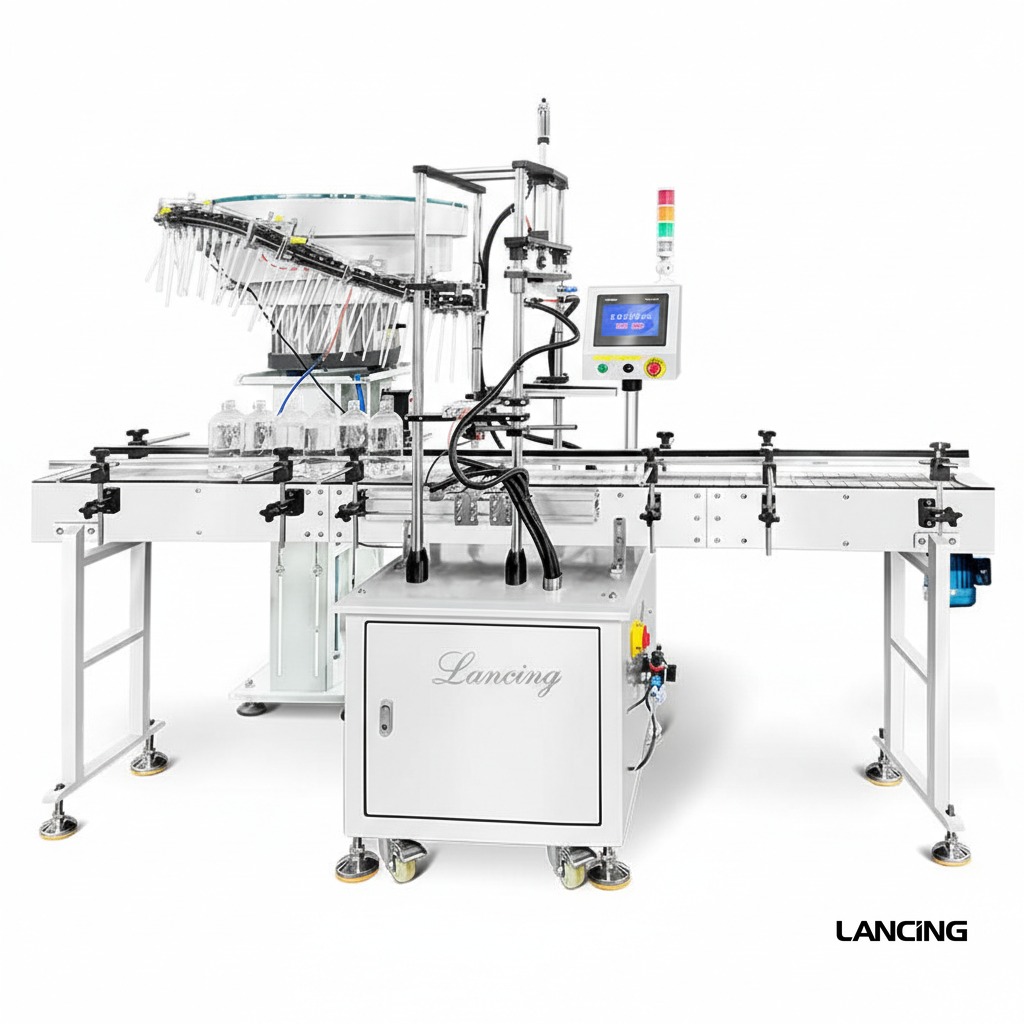
Pump bottle cap feeding machine for automated closure presentation

Cap feeding

Pump bottle cap feeding machine

Dedicated pump cap feeding and presentation equipment for closures that cannot be treated like simple screw caps.

Best for
Pump closures, long dip tubes, orientated caps and reduced manual handling.
More about this machine family

Specification checklist

Do not buy from catalogue speed alone.

Real output depends on cap feeding, bottle control, operator loading, changeovers, neck finish, fill level, container shape and the production environment.

Bottle and closure samples

Send physical bottles and caps wherever possible. Photographs and drawings help, but samples reveal grip, torque and cap presentation issues.

Target speed and batch size

A machine that is correct for a long single-product run may not be correct for many short changeover batches.

Upstream and downstream equipment

Confirm filling, labelling, coding, conveyors and accumulation before the capper is locked down.

FAQs

Bottle capper buying questions.

Can one bottle capping machine run several cap sizes?

Often it can, but the answer depends on cap diameter, cap height, thread style, bottle stability, torque range, change parts and how often production changes between formats.

What is the difference between screw capping and ROPP capping?

Screw capping tightens a threaded closure to a controlled torque. ROPP capping forms an aluminium closure onto the bottle thread using rollers to create a tamper-evident seal.

Why does cap feeding affect the machine specification?

Cap feeding can become the limiting factor on an automatic line. Some caps are simple to orientate; pumps, triggers and caps with tubes usually need more specialist handling.

Machine type pages

Search bottle cappers by automation level, cap style, bottle type and production sector.

Use these extra bottle capping machine pages to compare automatic, semi-automatic, inline, benchtop, torque-controlled, cap sorting, filling and sector-specific equipment routes.

Ready to specify a bottle capper?

Send bottle and cap details, line speed target and photographs of the current production area. Lancing can advise on the most suitable bottle capping machine or complete line route.

Send project details

Verified reference evidence

Use published model ranges as a starting point, then confirm the final machine against production samples.

The figures below come from current Lancing specialist product pages. They are reference ranges rather than a promise that every bottle and cap inside the dimensions will run. Closure geometry, bottle stability, tooling and the trial method remain decisive.

Selected Lancing reference models and published operating envelopes.
Reference routePublished format rangePublished outputEvidence and application
LU-XG6100 class semi-automatic screw capperBottle height 100–300 mm; cap diameter 20–60 mm.20–60 bottles/min, format-dependent.Automatic bottle clamping with manual or automatic cycling. View the Lancing specialist product page.
LU-XG446S trigger cap feederApprox. Ø15–35 mm trigger closures; bottle height approx. 10–280 mm.20–25 bottles/min.Vibratory bowl, pick-and-place presentation and dip-tube handling. View the Lancing specialist product page.
Semi-automatic ROPP route20–50 mm caps; bottle height 60–350 mm.Typical 25–30 bottles/min.Operator-fed roll-on pilfer-proof closing. View the Lancing ROPP range.
LU-XG440C8 eight-head ROPP capperBottle diameter 30–90 mm; mouth 22–38 mm; height 100–330 mm.7,500 pieces/hour reference capacity.Rotary multi-head ROPP system. Final speed depends on the complete bottle, cap and line arrangement. View the Lancing ROPP range.

Machine comparison

Compare the closing method, change parts and evidence required for stable production.

Chuck or clutch tightening

A shaped chuck grips the cap while the bottle is held. Tool fit, vertical pressure, torque control and bottle support influence thread engagement and cap finish.

Spindle or belt tightening

Opposing belts or wheels progressively tighten pre-threaded caps on an inline conveyor. Guide setup, bottle control and cap presentation are central to repeatability.

ROPP forming

Top pressure establishes liner contact while rollers form the thread and pilfer band around the bottle finish. Cap, liner, bottle neck and roller tooling must be compatible.

Pump and trigger placement

Asymmetric closures and dip tubes add orientation and insertion tasks before torque is applied. The cap feeder and placement mechanism may govern sustained output.

Changeover and acceptance items to include in the machine scope.
AreaPossible change parts or settingsEvidence to request
Closure handlingChucks, liners, tracks, bowl tooling, escapements, pick heads and orientation guides.Demonstration with every agreed closure, including stop/restart and replenishment recovery.
Bottle handlingSide guides, star wheels, clamps, neck supports, timing screws and conveyor settings.Stable transfer of the lightest and least stable agreed bottle at the required line condition.
Capping qualityTorque setting, clutch, top pressure, roller settings, spindle height and belt pressure.Documented cap height, thread engagement, torque or opening checks, leakage and visual acceptance.
OutputMachine timing, bottle pitch, feeder speed, buffer capacity and operator cycle.A sustained representative run, not a short unloaded cycle-rate demonstration.

Use the bottle capper quotation checklist

Machine range FAQ

Practical questions when shortlisting bottle cappers.

Does a published cap diameter confirm compatibility?

No. Diameter is only one input. Cap height, skirt shape, thread, liner, tamper features, external ribs and bulk feeding behaviour can all require different tooling or a different machine route.

Why can the same model show a wide output range?

Output changes with bottle and cap format, operator tasks, cap placement, feeder performance, bottle stability and downstream conditions. The relevant figure is the sustained rate achieved with the agreed samples and acceptance method.

What is the difference between change parts and adjustments?

Adjustments reposition existing guides, heads or supports. Change parts are format-specific components such as chucks, star wheels, tracks, bowl tooling or bottle fixtures that must be exchanged for another pack.

Should the fastest bottle format be the only trial sample?

No. Trials should include the worst-case agreed format, such as the tallest, lightest, softest, most unstable or most difficult closure, because it may set the real production limit.

How are automatic and semi-automatic cappers compared fairly?

Compare labour tasks, cap placement, bottle loading, sustained output, changeover time, reject handling, footprint and future integration rather than comparing only the capping-head cycle.

Where should specialist closure detail be checked?

Use the broad machine comparison here, then follow the relevant Lancing specialist site for detailed screw, spindle, trigger, pump or ROPP ownership before final specification.