ROPP and pilfer-proof caps
Aluminium closures can be rolled onto glass bottles for tamper-evident sealing.
Glass bottle cappers
Glass bottle lines need controlled handling, stable transfer and a closing method matched to the closure, whether the requirement is ROPP sealing, screw cap tightening or tamper-evident closing.
Capping machinery for glass bottle production
Glass bottle capping projects usually focus on bottle finish, closure profile, container protection and clean presentation. The capping head, rollers or torque method must suit the bottle neck and closure material.
Aluminium closures can be rolled onto glass bottles for tamper-evident sealing.
Glass bottles need controlled guides, smooth transfers and sensible accumulation.
Threaded glass bottles may need torque-controlled screw capping rather than ROPP rolling.
Machine options
Use the cap, bottle, product and output target to decide whether the project needs a compact capper, an inline machine, a cap feeder or a complete production line.
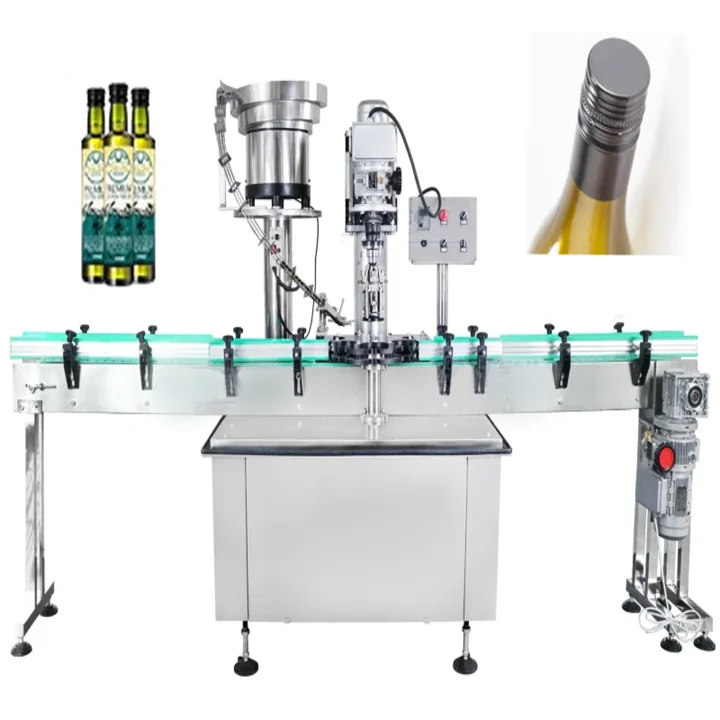
Bottle machinery
Roll-on pilfer-proof closing for aluminium caps on glass bottles.
Catalogue photograph; the required configuration is confirmed during quotation.
Ask about this requirement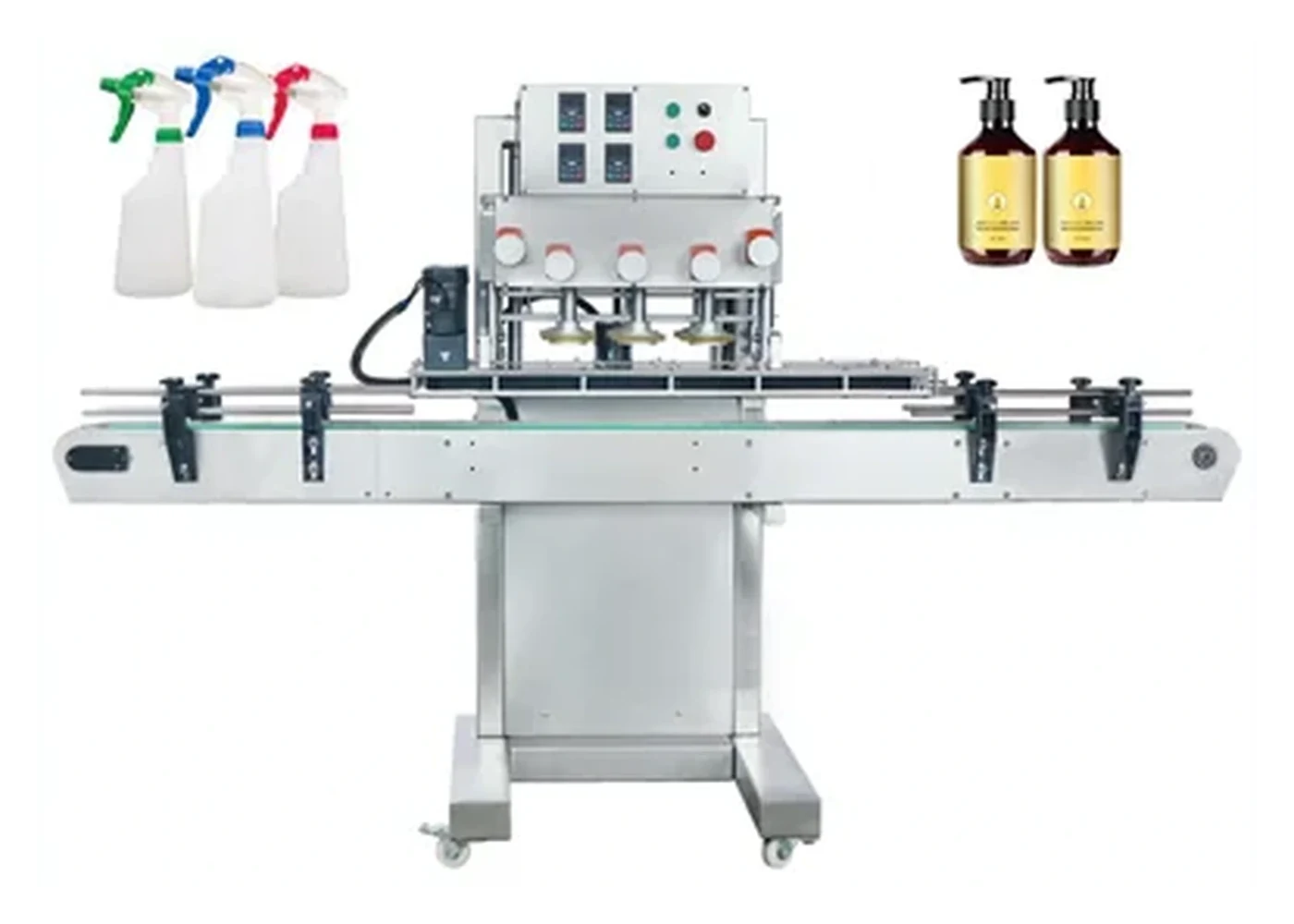
Bottle machinery
Torque-controlled tightening for threaded glass containers.
Catalogue photograph; the required configuration is confirmed during quotation.
Ask about this requirement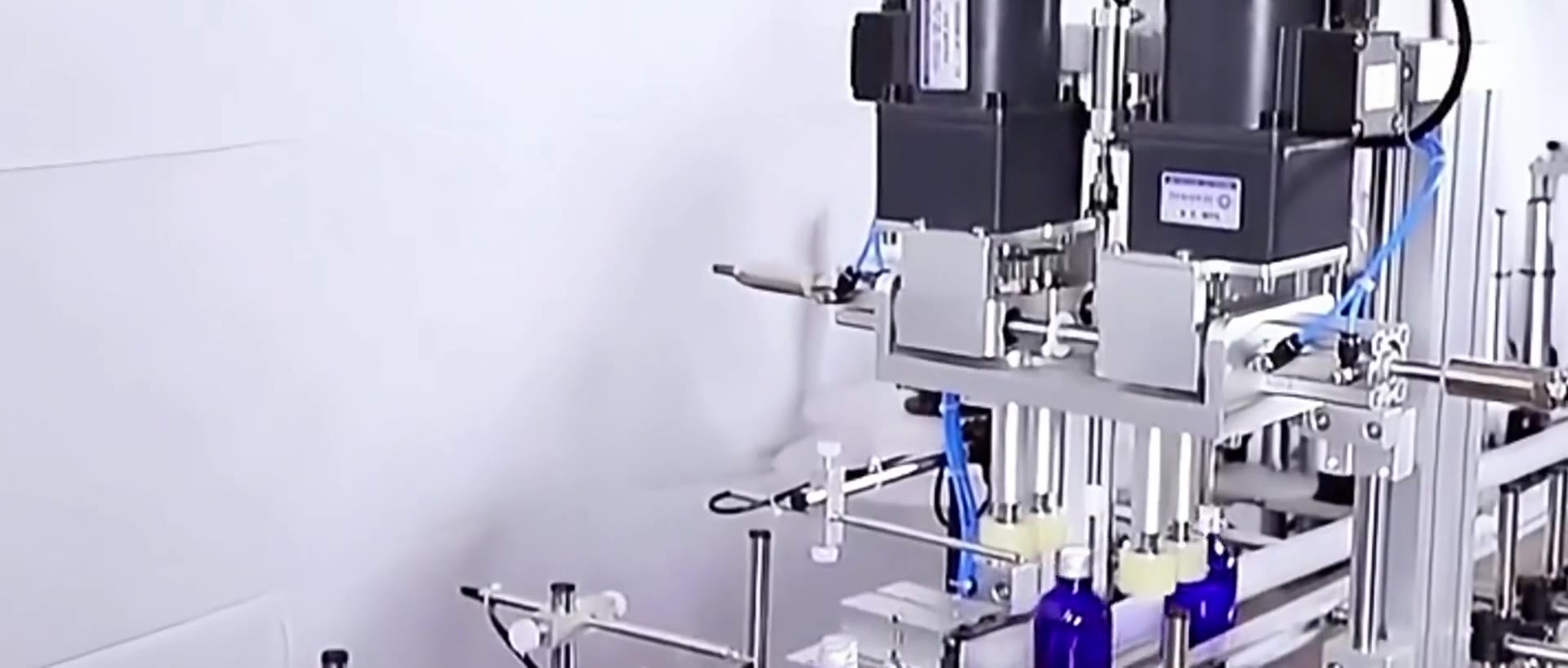
Bottle machinery
Conveyors, filling, capping, labelling and coding for glass bottle lines.
Photograph of capping equipment on a bottle conveyor; the complete line scope is confirmed during quotation.
Ask about this requirementBuying checks
Good bottle machinery selection depends on samples, output target, cap behaviour, bottle control and the way the machine will fit the production room.
| Check | Why it matters | Details to send |
|---|---|---|
| Bottle neck finish | The neck detail controls whether ROPP rolling, screw capping or another closing method is appropriate. | Bottle drawing, neck finish and cap sample. |
| Closure material | Aluminium and plastic closures use different heads and settings. | Cap samples, liner details and closure profile. |
| Bottle protection | Glass lines should avoid shock, hard transfer points and unstable accumulation. | Photos of current line and available space. |
| Seal expectation | Tamper evidence, leak resistance and torque expectations need to be defined. | Seal requirement and any testing method. |
More bottle capper pages
These linked pages give additional bottle capping machine and bottle machinery routes for comparison.
Inline cappers for higher output lines with cap feeding, conveyor control and repeatable tightening.
View pageBench and floor standing cappers for batch work, sampling rooms and controlled manual loading.
View pageChuck-head tightening for threaded caps where grip, cap profile and torque consistency matter.
View pageMachines for tightening screw caps, rework, batch production and improving closure repeatability.
View pageBottle cappers specified around torque range, cap material, thread engagement and bottle stability.
View pageCappers for ROPP, tamper bands, pilfer-proof closures and controlled seal presentation.
View pageCappers for lotion pumps, sprays, trigger closures, flip tops and personal care containers.
View pageBottle capping lines for household, industrial and chemical products with robust cap handling.
View pageCapping machinery for oils, sauces, drinks, glass bottles, plastic bottles and closures.
View pageHealthcare and technical bottle capping with repeatability, hygiene and line integration in mind.
View pageFAQs
It depends on the closure. ROPP cappers suit aluminium pilfer-proof caps, while threaded closures may need a screw capper.
Often yes, but heads, rollers, bottle supports and height settings need to be reviewed.
Yes. Filling, capping, labelling, coding and conveyors can be planned as a coordinated line.
They can be more stable because they are heavier, but careful transfer and accumulation are still important to avoid damage.
Send bottle and cap details, line speed target and photographs of the current production area. Lancing can advise on the most suitable bottle capping machine, cap feeder or complete line route.