Best fit
Lines with intermittent cap jams, loose caps, damaged caps, cross-threading, leaking bottles or unstable output.
Troubleshooting
Bottle capping machine troubleshooting should consider cap quality, bottle neck finish, cap feed, bottle support, torque setting and operator method. The visible fault is often the result of several smaller issues.
Search intent
This page is written for buyers comparing caps, bottle handling, cap feeding, torque or seal control and the wider machinery route before requesting a practical quotation.
Lines with intermittent cap jams, loose caps, damaged caps, cross-threading, leaking bottles or unstable output.
Do not increase torque to hide poor cap engagement. That can damage closures and create different problems downstream.
Send photos or video of the fault, the machine settings, sample caps and bottles, and notes on how often the issue occurs.
Related equipment
Most capping projects have more than one possible machine route. These related pages help narrow the specification before samples are reviewed.
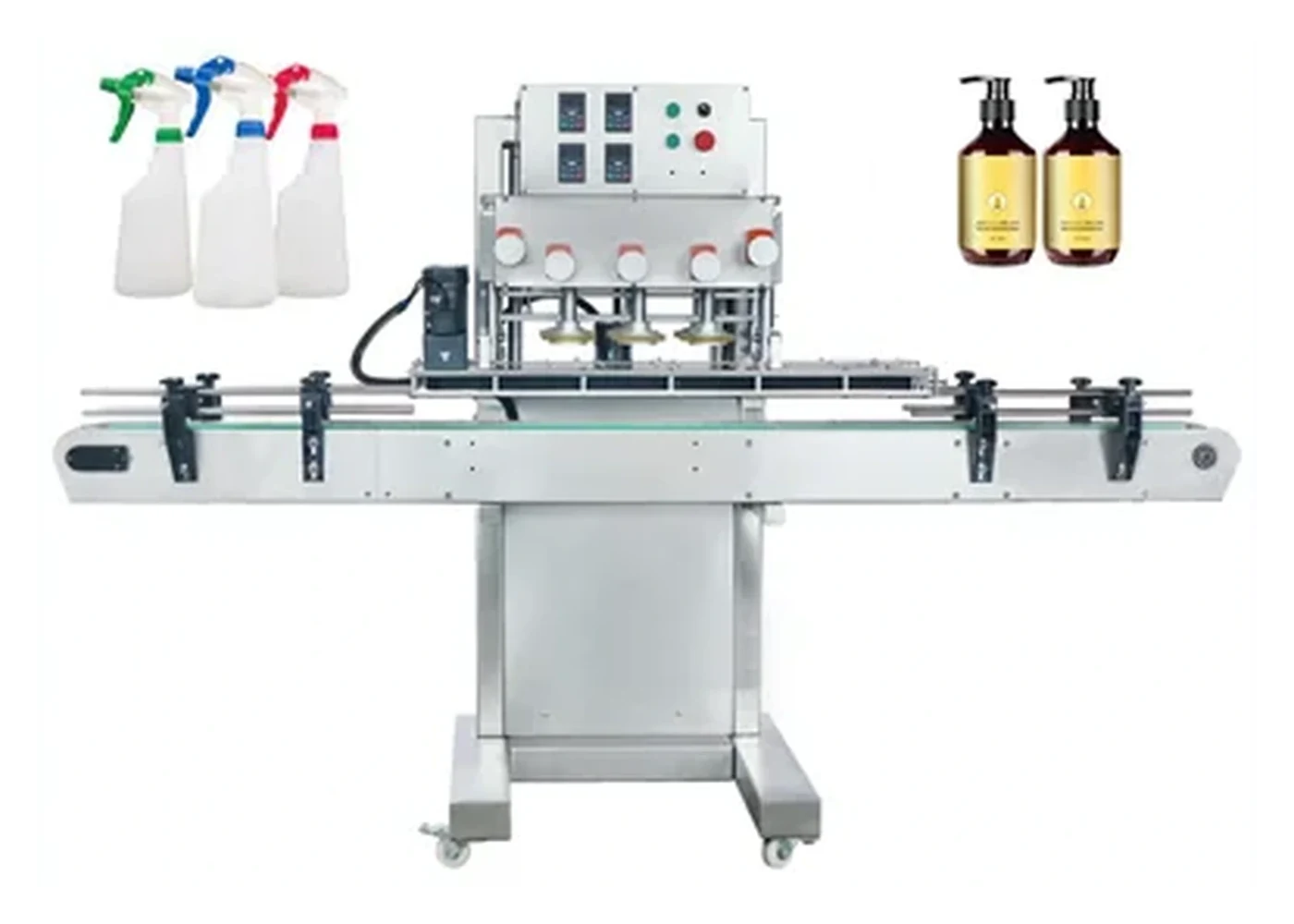
Related equipment
Support for capper reliability, change parts, setup checks, training and spares planning.
Catalogue photograph; the required configuration is confirmed during quotation.
View related page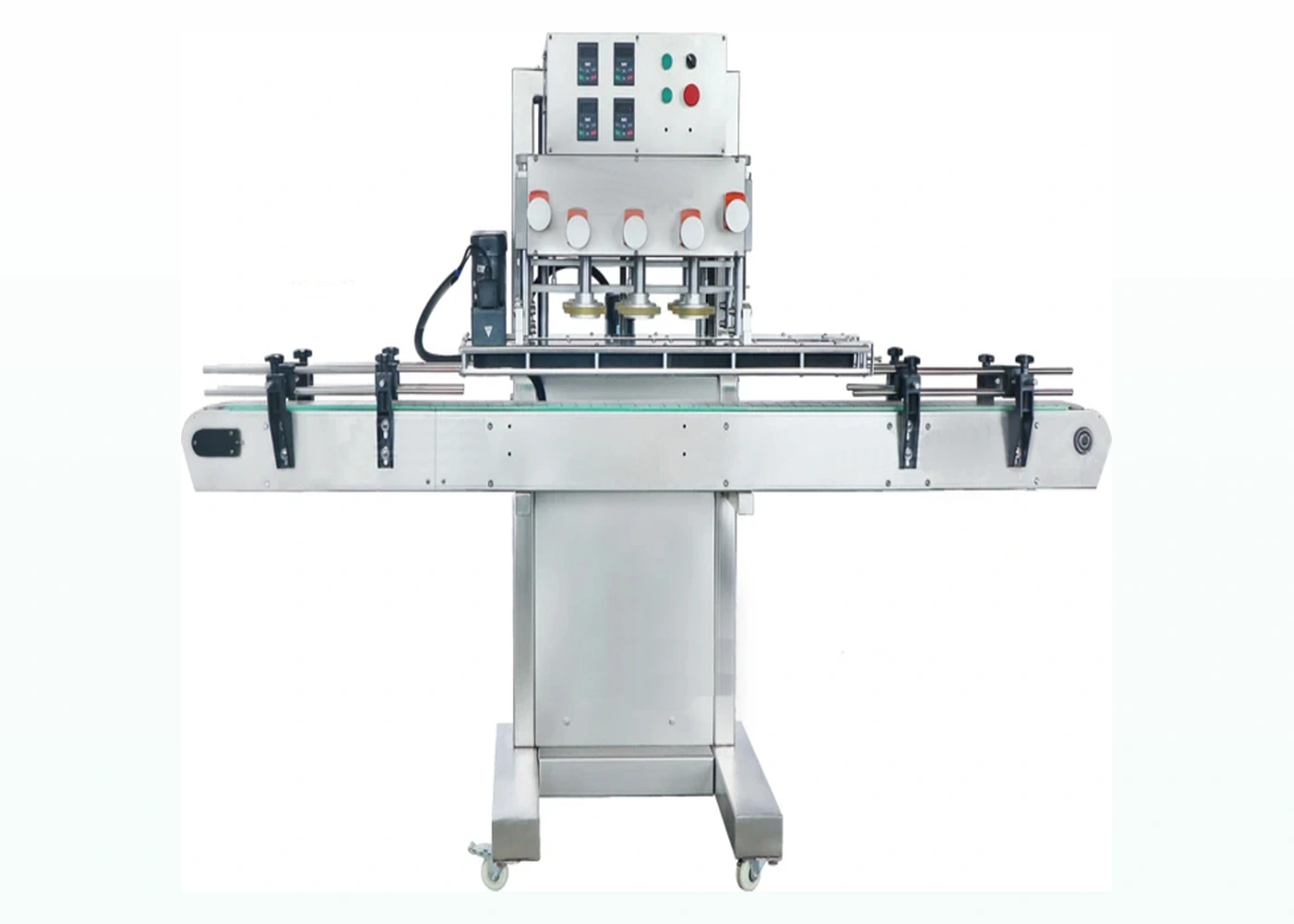
Related equipment
Guidance on torque, closure consistency and checks before a capping machine is specified.
Catalogue photograph; the required configuration is confirmed during quotation.
View related page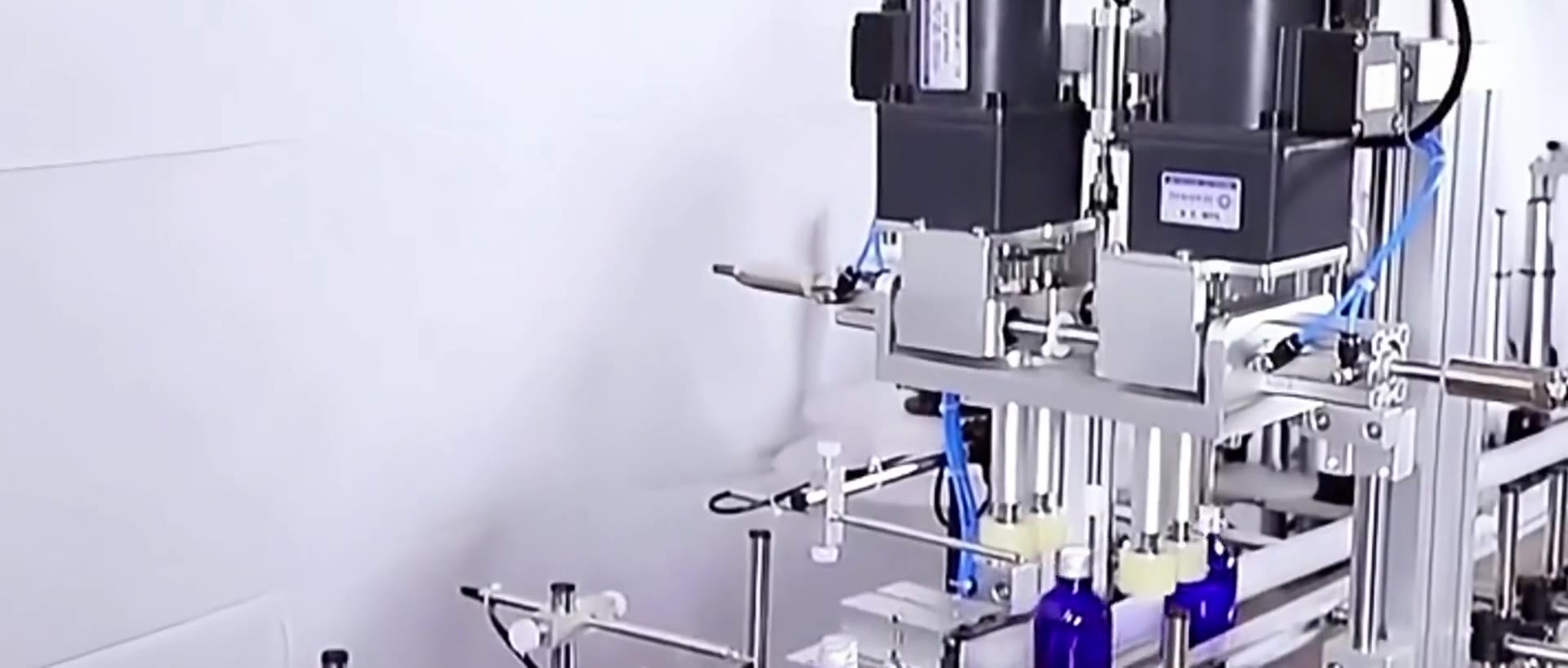
Related equipment
What to send when requesting a quotation for bottle cappers or complete bottle machinery.
Photograph of capping equipment on a bottle conveyor; the complete line scope is confirmed during quotation.
View related pageSpecification checklist
Clear information helps avoid the wrong capper, the wrong cap feeder or a line layout that cannot reach the intended output.
| Area | What to check |
|---|---|
| Bottle and cap samples | Confirm real production bottles, caps, neck finish, cap liner or band details and any variation between suppliers. |
| Output target | Confirm current and target bottles per minute, shift pattern, batch sizes and how often changeovers are expected. |
| Line integration | Check whether the capper is standalone or part of filling, conveying, labelling, coding and packing. |
| Operator method | Review cap placement, bottle loading, change parts, cleaning access, training and daily quality checks. |
Useful answers
These answers help production teams prepare a clearer enquiry before machine selection, sample testing or quotation.
Start with the closure and bottle. Check how the cap is applied, how the bottle is held, the target output and whether the line needs automatic or semi-automatic handling. Real samples are the best way to confirm suitability.
Send photos or video of the fault, the machine settings, sample caps and bottles, and notes on how often the issue occurs.
Yes. The capping stage can be reviewed with filling, conveyors, labelling, coding, accumulation and operator access so the full line works as one production process.
Common causes include poor cap engagement, unstable bottles, unsuitable torque settings, caps that feed inconsistently, incorrect change parts, worn tooling or a mismatch between the capper and the closure style.
Send bottle photos, closure samples, target speed and line details so the right capping machine, cap feeder or complete bottle machinery route can be reviewed.
Evidence-led fault finding
A recurring fault should be described by pack, component lot, time, machine state, station, feeder condition and inspection result. This prevents an unrecorded adjustment from masking a supplier, measurement or line-interface change.
Name the visible or measured defect, affected bottle and closure, frequency, time, head or station, component lots and the condition that reproduces it.
Start with evidence: component change, feeder event, setup mismatch, one station, connected-line condition or measurement change. Hold the other variables stable while comparing it.
The correction should remove the fault under the representative condition, remain acceptable through normal production events and be reflected in the approved settings, component control or maintenance action.
Root-cause investigation guide Quality and event evidence Component-source validation